Play a critical role in the operating room and patient care.
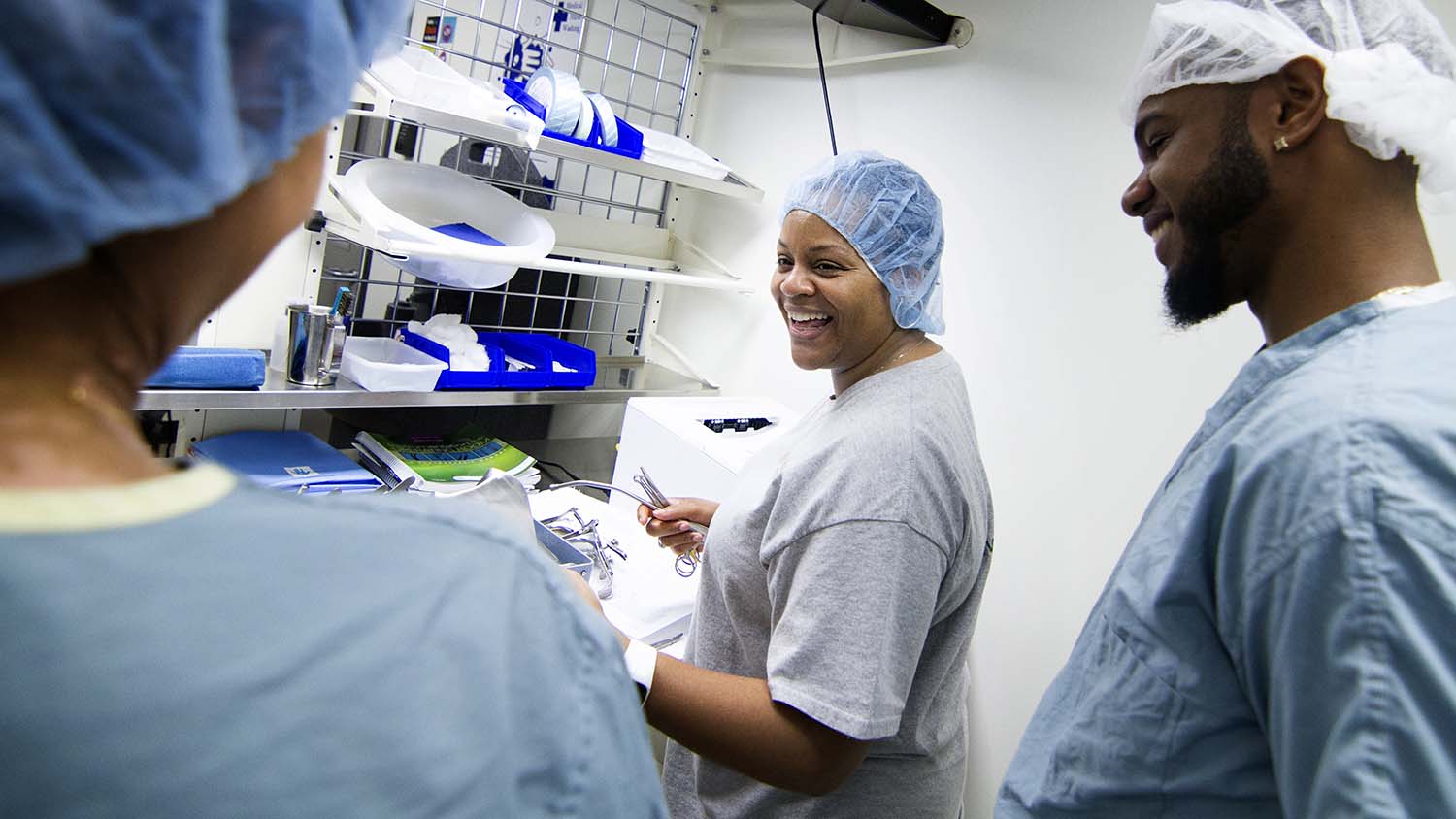
A surgical technologist (ST) serves the patient's interest primarily by providing
assistance to the surgeon. The surgical technologist's primary task during an operative
procedure is to anticipate the perioperative needs of the surgeon and surgical patient.
Students in this program must be well grounded in the basic sciences, especially anatomy,
microbiology, and pathophysiology. The surgical technologist contributes to global
patient care by serving as a team member who monitors the surgical environment.
How to Apply
To apply to the Surgical Technology program at WCC, students must complete two applications and admission processes:
- Apply to WCC: Complete the general college admissions application.
- Apply to the Surgical Technology program: After completing program admission requirements, submit the program application
during the designated application window.
Next Steps
Apply to WCC See Program & Courses in Catalog Request Information
Career Outlook in Michigan
| Career Title |
Median Salary |
Annual Openings |
| Surgical Technologists |
$63,315 |
250 |
| Medical Equipment Preparers |
$45,684 |
342 |
Data provided by Lightcast
What do Surgical Technologists do?
-
Maintain a proper sterile field during surgical procedures.
-
Count sponges, needles, and instruments before and after operation.
-
Scrub arms and hands and assist the surgical team to scrub and put on gloves, masks, and surgical clothing.
What skills do Surgical Technologists have?
-
Monitoring:
Monitoring/Assessing performance of yourself, other individuals, or organizations to make improvements or take corrective action.
-
Active Listening:
Giving full attention to what other people are saying, taking time to understand the points being made, asking questions as appropriate, and not interrupting at inappropriate times.
-
Operations Monitoring:
Watching gauges, dials, or other indicators to make sure a machine is working properly.